Whether you are a beginner to pickleball or playing at an advanced level, understanding the rules of Pickleball singles vs doubles is important to improve your game. Although the fundamental rules are the same, singles and doubles play involve varying court coverage, strategy, and skill demands. Knowing these differences helps players perform better, avoid mistakes, and enjoy the game more. Good training and practice can dramatically speed up learning for both play types.
Court and Rules for Singles vs Doubles
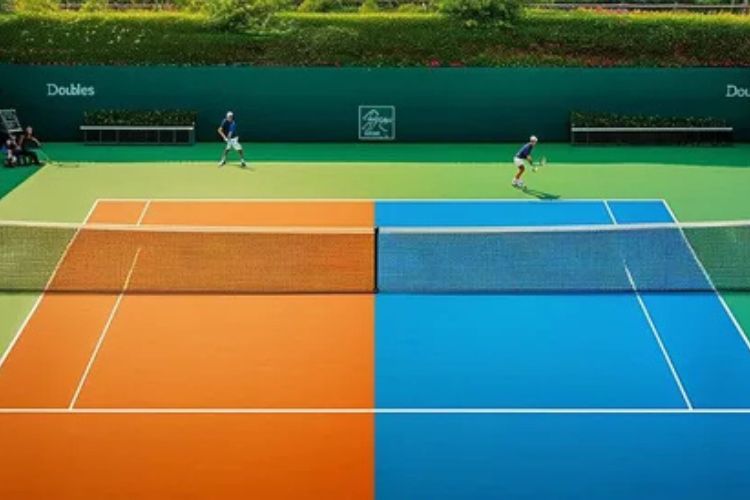
The court setup and rules are the first major difference between singles and doubles pickleball. Knowing the rules and court coverage is critical to playing effectively.
Court Coverage:
In a single match, a player needs to cover the court by himself. He needs speed, agility, and endurance. The players should anticipate shots and be able to move fast from baseline to net.
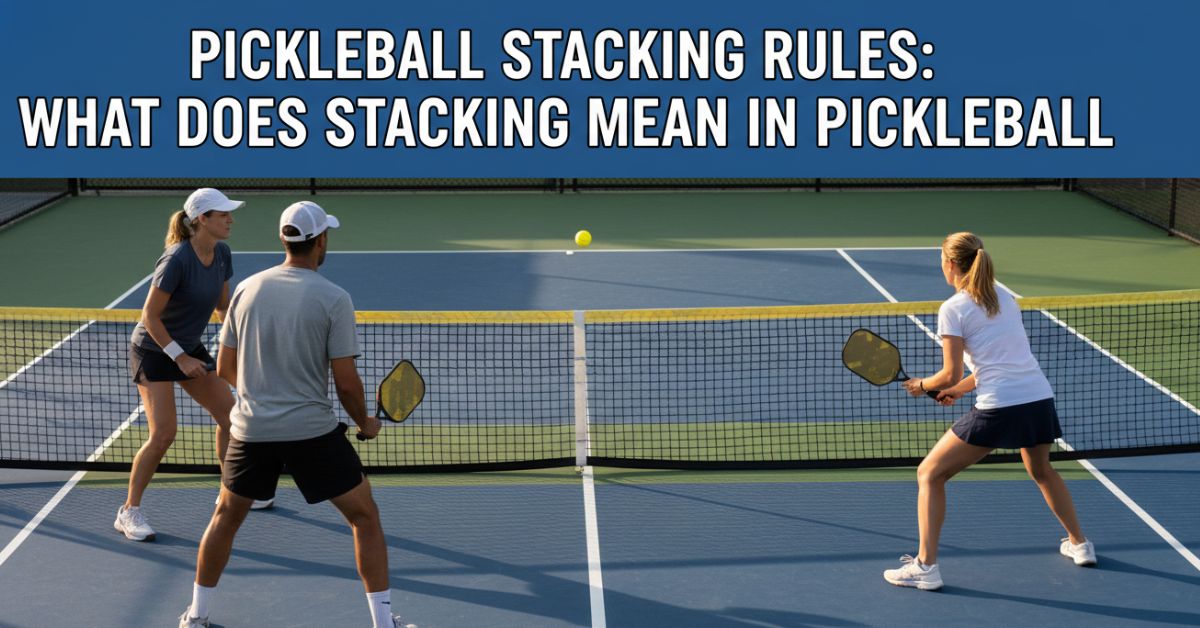
But for doubles, two players share court coverage. Partners must communicate constantly to avoid leaving open spaces or overlapping coverage. Proper positioning allows teams to control both short and deep shots efficiently.
Serving Rules:
Serving plays a crucial role in both singles and doubles matches. Following the pickleball rules for singles and doubles ensures fair play and proper rotation during games.
In a Single match, the Player serves diagonally from behind the baseline. The same server continues until a fault occurs. Accuracy is more important than power since opponents have more court to cover.
However, in doubles, players take turns serving. Each partner serves until they make a fault, then the other partner serves. To play well, partners should stand side by side and communicate clearly.
Faults and Positioning
- In singles, players are required to cover the court alone, retrieving lobs, angled shots, and drop shots. Footwork and anticipation are essential.
- In Doubles, effective positioning is dependent on teamwork. The players have to protect their half of the court and tell their partner what to do to prevent confusion or overlap. Net dominance minimizes faults and maximizes winning chances.
Differences in Pickleball Scoring Singles vs Doubles
Understanding the differences in pickleball scoring singles vs doubles, helps players develop better strategies. Singles matches often focus on consistent shot placement and endurance. Doubles matches involve creating point opportunities through partner coordination, net control, and strategic placement of shots.
| Feature | Singles Pickleball | Doubles Pickleball |
| Court Coverage | Full court by one player | Shared between two players |
| Serving Rotation | Single server per turn | Each player serves in rotation |
| Communication Requirement | Low | High |
| Strategy Focus | Endurance and accuracy | Teamwork and net dominance |
| Scoring Strategy | Control pace, exploit open spaces | Create openings, support partner |
Skills Needed For Singles vs Doubles
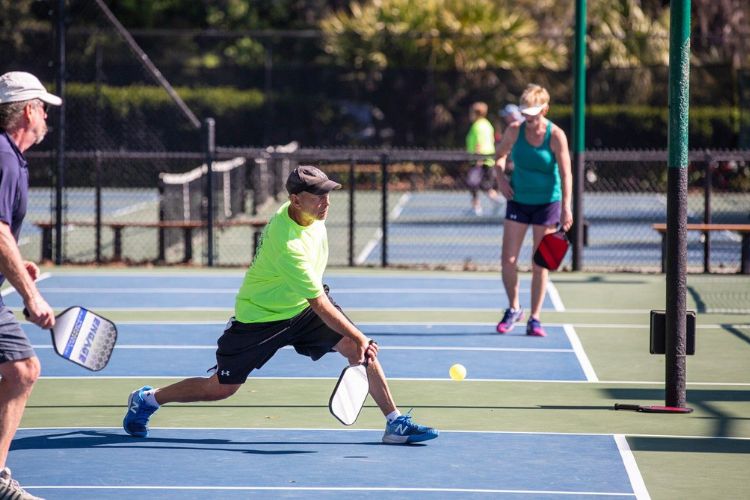
Skills differ significantly between formats, and knowing the differences in pickleball singles vs doubles can help players focus on the right areas during practice.
Skills Needed for Individual Match
- Endurance to sustain high performance levels during long rallies.
- Agility and speed to cover all areas of the court.
- The accuracy of the shot to take advantage of openings in the opponent’s placement.
- Mental concentration and decision-making are basic and important things, as each point rests on the player’s actions alone.
Skills Required for Doubles
- Good communication and coordination to synchronize movement.
- Strengths in anticipating partner and opponent placement.
- Dominance in net play to occupy the center of the court.
- Quick reflexes for rapid exchanges at the net.
Shared Skills
Both styles demand consistency, shot control, and good paddle technique. Pickleball serving tips, such as beginning low, making a smooth motion, and aiming, enhance play in singles and doubles.
Strategy Comparison Singles vs Doubles
Strategic approaches vary based on court coverage and match format of singles vs doubles in pickleball.
Singles Strategy
- Control the baseline to force opponents into difficult positions.
- Push opponents around in order to develop empty spaces where scoring shots may be taken.
- Maintain endurance to sustain long rallies and capitalize on mistakes.
- Focus on consistency over power, since one missed shot can determine the point.
Doubles Strategy
- Dominate the net to limit opponent shot options.
- Coordinate movement with your partner to cover the court efficiently.
- Place shots to set up your partner for easier returns and points.
- Communicate constantly to adjust strategy during rallies.
Tactical Differences
Singles strategy is all about endurance, accuracy, and taking advantage of openings. Doubles strategy emphasizes teamwork, positioning, and creating opportunities for your partner. Recognizing the difference between singles vs doubles in pickleball allows players to adapt when switching formats and helps with overall game improvement.
Advantages and Challenges of Singles vs Doubles
Each format has its own set of pros and cons that affect training and gameplay.
Singles
During singles, the players solely rely on their own judgment and ability in the course of the match. They have to control every step, shot, and tactic without someone else’s assistance.
Strength of Playing an Individual Match
- Total command of the court and pace.
- Independence in decision-making and shot selection.
Challenges to Face When Playing a Singles Match
- Requires high stamina, speed, and mental focus.
- No partner support for covering mistakes or positioning gaps.
Doubles
In doubles, coordination and teamwork are paramount to success. Both players must work together, be in sync with each other, and manage positioning to cover the court effectively.
What are the Strengths of Playing in Doubles
- Effective court coverage is made possible by a shared workload.
- Support from a partner can ease individual pressure and open up scoring opportunities.
Difficulties in Playing Doubles
- Require both players to coordinate and communicate well.
- A partner’s error may have an impact on performance as a whole.
Tips for Transitioning Between Singles and Doubles
Switching between formats requires adjusting movement and positioning depending on the number of players on the court. Practicing both formats regularly helps players become more comfortable with the differences in pickleball singles vs doubles.
- Adjust movement and positioning depending on the number of players on the court.
- Focus on communication in doubles to avoid overlap and maximize coverage.
- Adjust your shot choice: singles prefer wider, more forceful placement, doubles prefer controlled, timed shots.
- Consider private pickleball lessons to improve both singles and doubles strategies effectively. These sessions offer customized instruction on positioning, strategy, and collaboration.
Summary
Mastering pickleball singles vs doubles involves learning the special requirements of both formats. Singles test your stamina, accuracy, and coverage of the court, whereas doubles emphasize team play, positioning, and net play.
Practicing both formats, improving your serve, and learning format-specific strategies will help you play smarter and perform better. With the right training, including lessons and consistent practice, you can enjoy both singles and doubles, improve your skills, and play with confidence.
For guided training, ATX Pickle Academy offers complete pickleball lessons to help players enhance their skills in both singles and doubles. Personalized coaching ensures smarter movement, better shot selection, and more effective teamwork.
FAQs
What is the difference between singles and doubles pickleball?
Singles players cover the entire court alone, focusing on endurance and accuracy. Doubles players share court responsibilities and rely on teamwork.
Are the rules different for singles and doubles pickleball?
Yes. Doubles involve rotation of serves, coordinated positioning, and team strategy, while singles rely solely on individual skill.
Can a player switch easily between singles and doubles?
Yes, but it requires adjusting movement, positioning, and shot selection.
How are scoring strategies used in singles and doubles different?
Singles concentrate on regular placement and taking advantage of open courts. Doubles depend upon coordinated shots, net control, and support from partners.