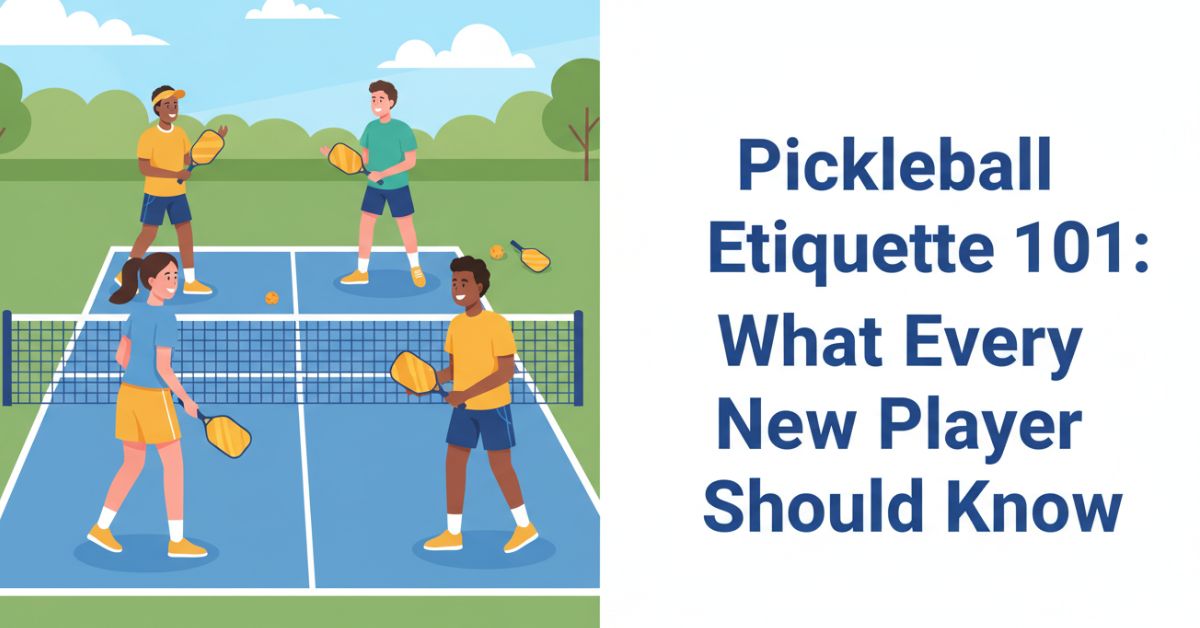
When people start playing pickleball, they usually focus on learning how to serve, where to stand, and how to keep the ball in play. What many beginners don’t realize is that how you behave on the court matters just as much as how you play. This is where pickleball etiquette comes in.
Pickleball is a social sport. You share courts, rotate with strangers, and often play with people who have been coming to the same courts for years. Knowing proper etiquette helps you fit in, avoid awkward moments, and enjoy the game without stress or tension.
What Is Pickleball Etiquette and Why Does It Matter?
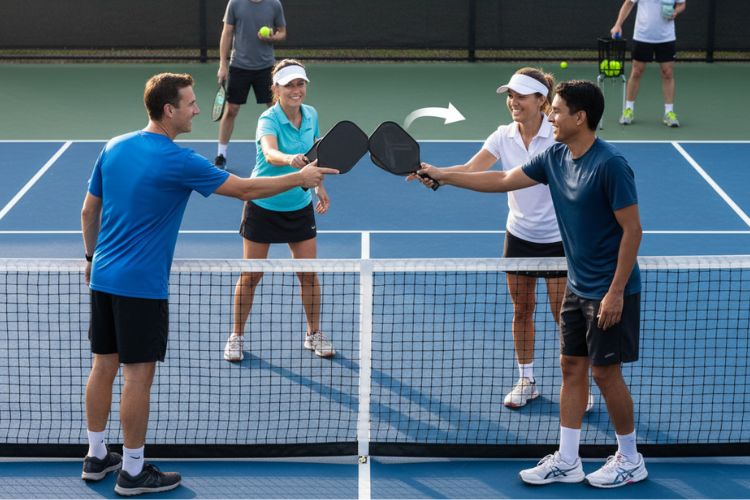
Pickleball etiquette isn’t about being perfect or acting formal. It’s about being aware of others and respecting the shared space. Most of these habits aren’t written down anywhere, but regular players notice when someone ignores them.
Good etiquette keeps games friendly and prevents unnecessary arguments. It also helps beginners feel more comfortable when playing with experienced players. Understanding basic expectations early can make your pickleball experience much more enjoyable.
Basic Pickleball Etiquette Every Beginner Must Follow
Learning pickleball etiquette rules early helps you avoid awkward moments and gain respect from other players.
1. Respect the Server and the Receiver
One of the most common mistakes beginners make is talking or moving during serves. Pickleball serving etiquette expects players to stay still and quiet until the serve is hit. Even small distractions can throw off a serve, especially for newer players.
2. Make Fair Line Calls
If a ball lands close to the line and you’re unsure, the point should go to your opponent. This honesty is a big part of pickleball etiquette and helps avoid unnecessary tension during games.
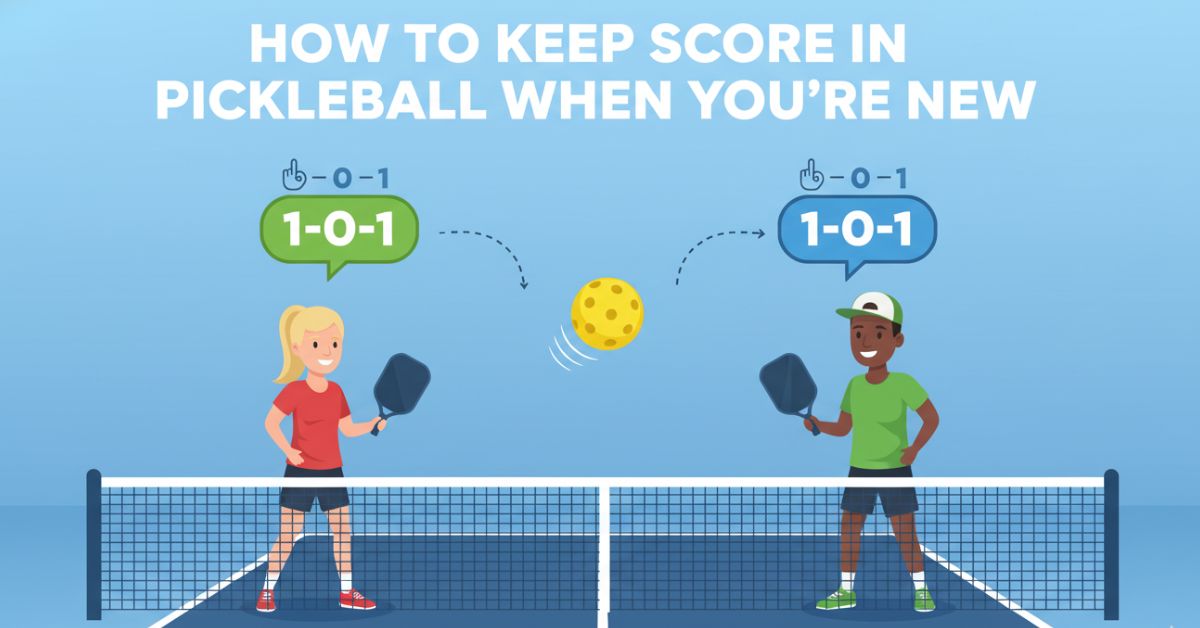
3. Announce the Score Clearly
Calling the score before every serve keeps everyone on the same page. It prevents confusion and avoids disputes later in the game.
Court Etiquette When Playing on Shared Courts

Most pickleball courts are shared, which means pickleball court etiquette matters a lot.
1. Rotate Fairly During Open Play
On busy courts, players usually rotate after one game so everyone gets a turn. Ignoring rotation systems can frustrate others quickly. Following this unwritten rule shows respect for the group and keeps things running smoothly.
2. Enter and Exit Courts Properly
Never walk behind active courts during a rally. Wait until a point ends before crossing. This safety rule protects players from collisions and distractions.
3. Respect Court Time Limits
During busy hours, keep games moving. Play one game to eleven and rotate. Respecting shared space reflects good pickleball etiquette and sportsmanship.
How to Follow Pickleball Etiquette in Doubles?
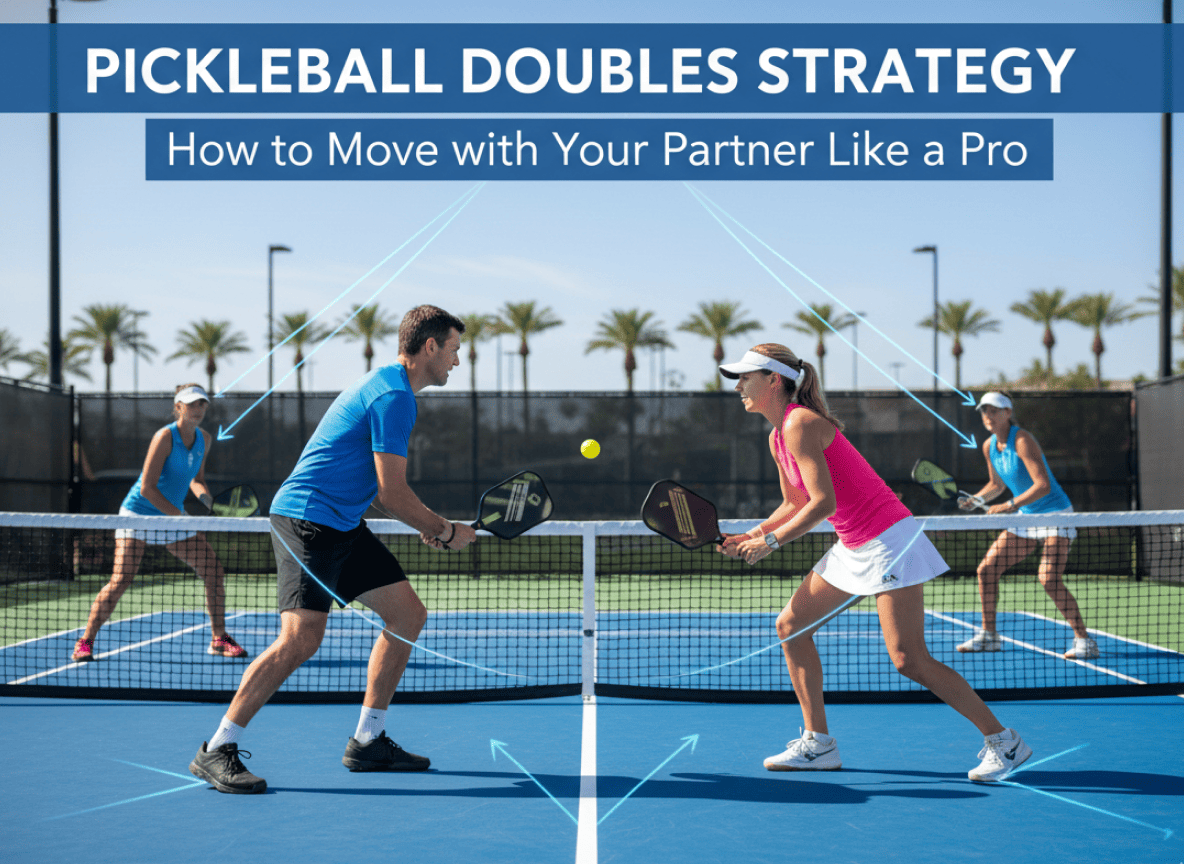
Doubles means you’re not playing alone. What you do affects your partner at every point. Call the ball when it comes to you. Say “mine” or “yours” so you don’t both go for the same shot. If someone misses, let it go and move on. Mistakes happen, especially in casual games. Following basic pickleball rules, like serving order and proper positioning, helps prevent confusion and keeps the game fair.
Pay attention to who is serving and where you should stand. Being in the right spot avoids mix-ups and keeps the game moving. When both players stay in their places, rallies last longer, and the game doesn’t stop as much.
Proper Behavior Between Points and Games
What you do between points still matters, even though the game has paused. After a rally ends, it’s enough to glance at your partner or give a small nod if they made a good effort. You don’t need to talk much. Those quiet moments keep things comfortable and help both of you stay connected during the game.
If a ball rolls onto your court, avoid hitting it back right away. Pick it up and wait until play stops, then hand it over or roll it back slowly. It’s a small habit, but it prevents confusion and keeps everyone alert and safe.
There are also simple ways to be helpful without drawing attention. Picking up a dropped paddle, passing a towel, or reminding someone of the score when they look unsure are all appreciated. Saying “nice shot” or “good try” can ease tension, especially during close games. These small actions don’t change the score, but they make the game feel better for everyone playing.
Pickleball Etiquette for Beginners Playing With Expert Players
Playing with experienced players can feel a little intimidating at first, but good etiquette makes it much easier. Don’t be afraid to ask questions if you are unsure about a rule or positioning. Most advanced players are happy to give tips and help beginners improve. Keep an open mind and accept advice graciously. By following simple pickleball etiquette, like staying quiet during serves, calling the score clearly, and being respectful, you will not only learn faster but also make the game more enjoyable for everyone on the court.
Common Pickleball Etiquette Mistakes New Players Make
New players often make mistakes on the court without even noticing. They might start talking while someone is serving, forget whose turn it is, argue over a close line call, or take the game way too seriously. Everyone makes these errors at first, and it is part of learning. The key is to pay attention to what is happening around you and notice how more experienced players act. Watching and adjusting helps you fit in and makes the game run more smoothly for everyone.
Small actions can make a big difference. Stay quiet during serves, call the score before each point, and be honest on line calls. Avoid blaming your partner or arguing unnecessarily. By keeping things simple and respectful, you help create a positive, relaxed environment where everyone can enjoy the game, improve their skills, and have fun together.
Off-Court Pickleball Etiquette You Should Know
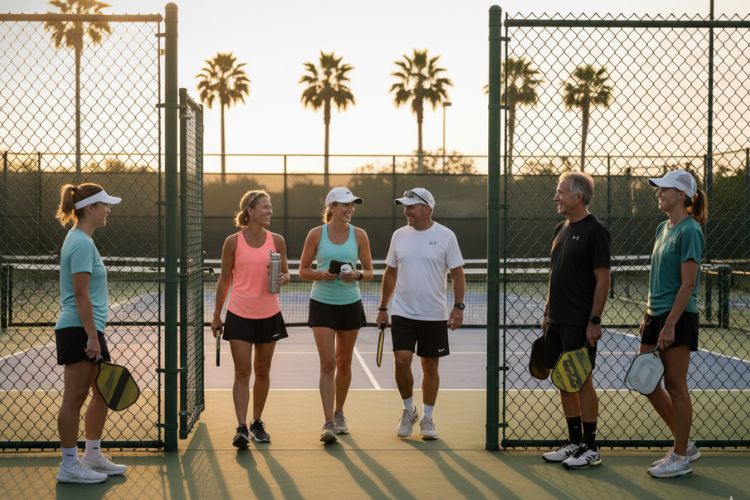
Pickleball etiquette does not end when the game is over. How you act off the court matters just as much as how you play on it. Always respect the facilities you use. That means putting trash in the bin, returning equipment to its proper place, and not leaving water bottles or gear scattered around. Treat paddles, balls, and nets with care so they last longer, and everyone can enjoy them.
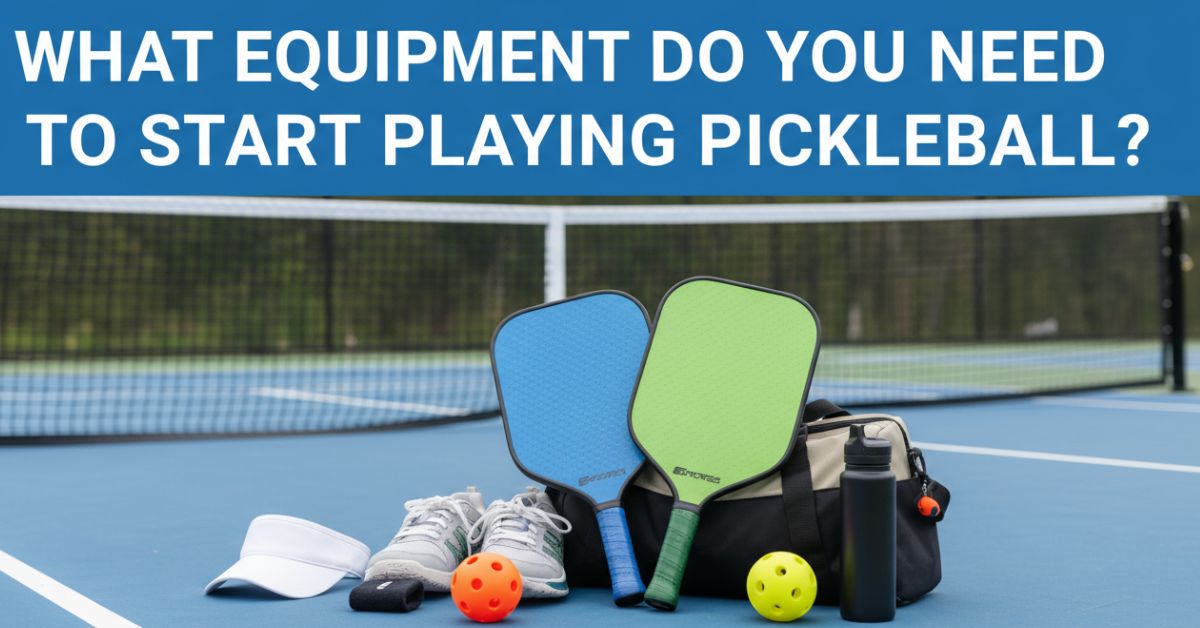
Wear the right gear, too, like comfortable shoes and a proper pickle ball outfit. In addition to keeping you safe, it demonstrates your concern for the game. Keep an eye out for new players. Show them around the court, invite them to participate, and offer advice upon request. If they drop a ball, give them a paddle or assist them in picking it up. Everyone gets included when small things like this are done. By taking these small steps, pickleball players of all ages can continue to enjoy the game, and the community becomes stronger and friendlier.
Pickleball Etiquette in Tournaments vs Recreational Play
Tournament games are more serious, and the expectations are higher. In casual play, people are usually flexible and forgiving, especially with beginners. In tournaments, though, the rules are followed closely, and everyone is expected to play by them. Serves, scores, and line calls are watched carefully, and any disagreements are handled in an official way.
If you’re new to tournaments, it helps to slow down and watch how others play. Notice how players announce the score, wait for the serve, and move on the court. Learning from experienced players makes it easier to adjust. Understanding the difference between recreational games and tournaments helps you feel more confident, stay relaxed, and enjoy the game in any setting.
Why Does Good Pickleball Etiquette Make You a Better Player?
Good manners improve more than your reputation. Players who respect pickleball court etiquette get invited to games more often and enjoy stronger partnerships. Mental focus improves when games feel calm and respectful.
Beyond social benefits, pickleball offers excellent physical rewards. Regular play improves coordination, stamina, and balance. Many players enjoy the long-term pickleball health benefit, including heart health, joint mobility, and stress relief. Playing respectfully ensures you can enjoy those pickleball health benefits consistently and safely.
Quick Pickleball Etiquette Checklist for Beginners
- Stay quiet when someone is about to serve
- Take turns during open play instead of rushing back in
- Make fair line calls, especially when the ball is close
- Be aware that the court is shared, and others are waiting
- Watch how serves are handled and follow the same pace
- Speak calmly and respectfully, even when mistakes happen
These are small habits, but they help new players feel comfortable on the court without overthinking how they’re supposed to act.
Final Thoughts
Pickleball is more than a game. It is a shared experience built on respect, patience, and community. Following pickleball etiquette ensures courts stay welcoming and games stay enjoyable.
As you grow as a player, remember that skill earns points, but attitude earns respect. By respecting pickleball court etiquette, embracing learning, and enjoying the many pickleball health benefit, you become the kind of player everyone enjoys playing with.
Frequently Asked Questions
Is talking during a pickleball game allowed?
Yes, talking is fine once a point is over. Most players chat or laugh a bit between rallies. When a serve is about to happen, though, it’s usually best to pause the conversation so everyone can concentrate.
How do players usually rotate during open play?
On busy courts, players usually step off after a game so others can join in. Some courts use paddle stacking, while others just rotate one game at a time. It’s mainly about sharing the court and not keeping others waiting too long.
What should beginners focus on first?
Instead of worrying about advanced shots, start with the basics. Learn where to stand, when to move, and how rotations work. Once you understand the flow of the game, everything else starts to feel easier.
Is pickleball etiquette different for singles and doubles?
Not really. The rules stay the same. In doubles, you just need to talk more with your partner so you don’t get in each other’s way.