Do you want to try a sport that is easy to learn, social, and gentle on your joints? Pickleball for beginners is a great place to start. It’s simple enough for new players to pick up quickly but still offers a fun challenge. In this guide, we will cover how to play, the rules of pickleball, necessary equipment, tips, and a quick start checklist so you can get on the court with confidence.
What Is Pickleball?

Pickleball is a paddle sport that mixes tennis, badminton, and ping-pong. It is played on a smaller court with a low net, using a lightweight paddle and a perforated plastic ball. You can play singles or doubles, making it flexible for casual or more competitive play. Understanding the basics of how to play pickleball helps beginners feel comfortable on the court and ready for their first game.
Why Pickleball Is Great for Beginners?
Pickleball is ideal for beginners because it is easy to learn and has low impact on your knees and joints. You have more time to react and work on your technique because of the smaller court and slower ball speed. It’s more fun because it allows for social interaction as well. It enhances endurance, balance, and coordination on a physical level. It aids in mental strategy and focus. These benefits make it a sport that many people stick with for years.
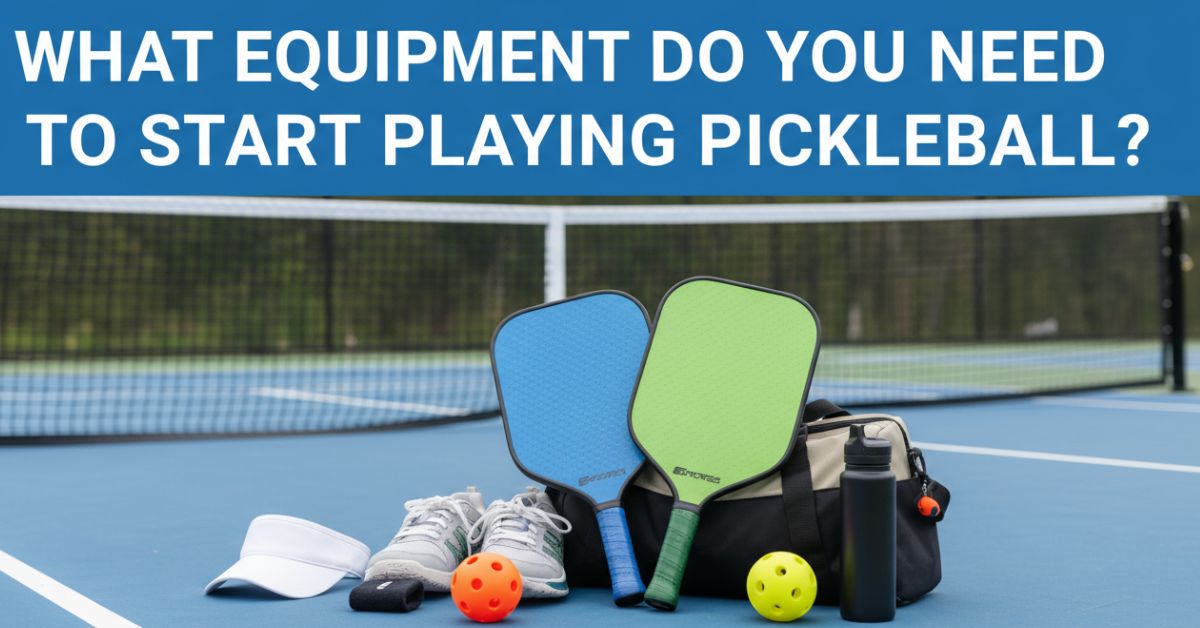
Basic Pickleball Equipment You’ll Need
Having the right gear helps beginners enjoy the game and play safely.
1. Pickleball Paddle
Paddles come in wood, composite, and graphite. Wood paddles are heavier and affordable, suitable for casual play. Composite and graphite paddles are lighter and provide better control. Beginners usually prefer a medium-weight paddle that feels comfortable in hand.
2. Pickleball Balls
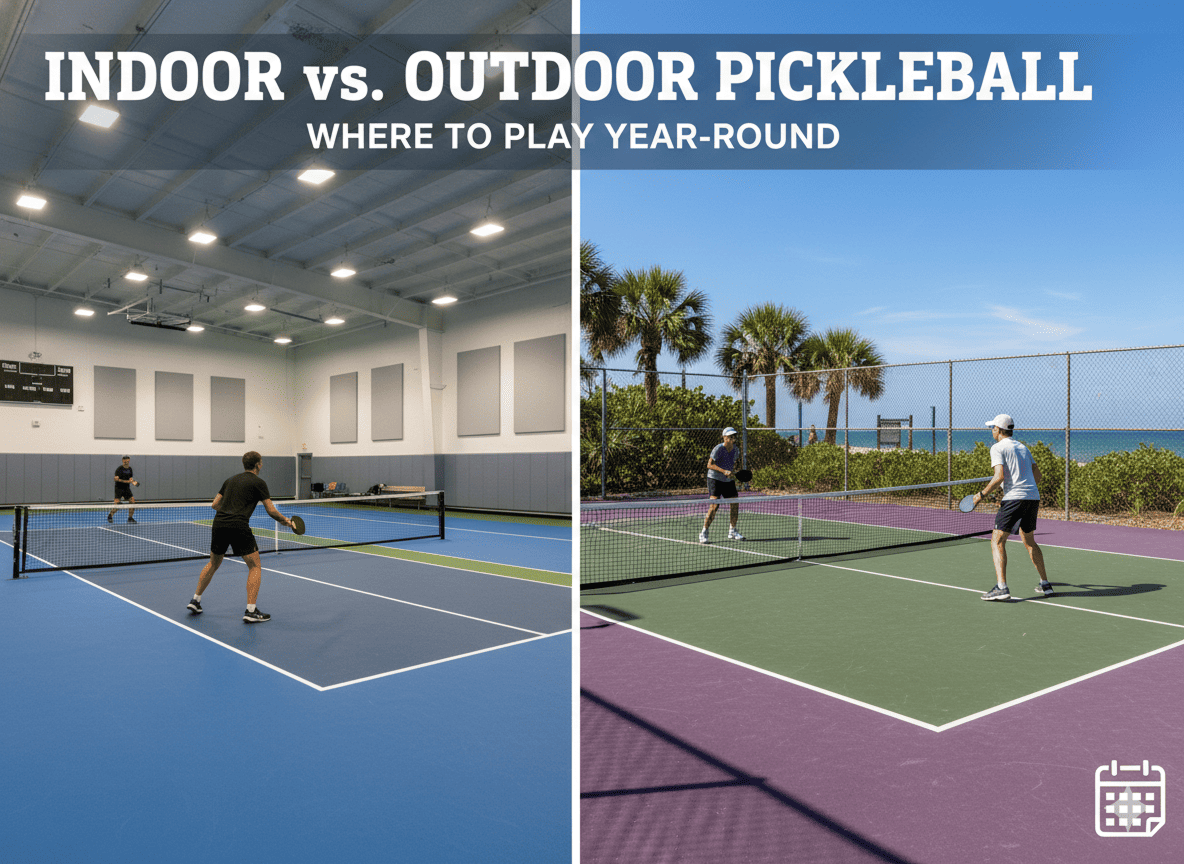
Indoor and outdoor balls are different. Outdoor balls are harder with smaller holes, while indoor balls are softer with larger holes. Using the right type improves consistency and helps beginners practice without frustration.
3. Pickleball Net and Court
The standard court is 20 by 44 feet, smaller than tennis courts, with a net 34 inches high at the center. Knowing the court dimensions helps players position themselves and move efficiently during rallies.
4. Shoes and Clothing
Proper court shoes are important for traction and stability. Wear flexible, breathable clothes to allow free movement. Avoid running shoes, as they may cause slips or strain on the ankles.
Understanding the Pickleball Court

A clear understanding of the court is essential to play well and follow the basic pickleball rules. Knowing the layout helps beginners position themselves correctly, move efficiently, and avoid faults during the game.
Pickleball courts measure 20 by 44 feet for both singles and doubles. The court is divided into several important areas, including baselines, sidelines, service areas, and the non-volley zone. Each area has a specific role in serving, rallying, and scoring points, so it’s important to be familiar with them before playing.
The baseline marks the back boundary where players serve, while the sidelines define the width of the court. The service areas show where the ball must land during a serve. Staying within these lines ensures the game follows the rules of pickleball and keeps rallies fair.
The kitchen is a 7-foot zone near the net where volleying is not allowed. This area prevents players from smashing the ball too close to the net, encouraging better control and strategy. You can step into the kitchen to hit a ball that has bounced, but you cannot volley from inside.
Understanding the kitchen rule and other court markings is crucial for beginners. Following these guidelines makes the game more enjoyable, helps you avoid penalties, and allows you to focus on developing your skills while respecting the pickleball rules for beginners.
How to Play Pickleball?
Here is a simple way to start playing pickleball and understand the flow of the game.
-
Serving
Start by serving underhand from behind the baseline and aim diagonally across the court. The ball must clear the net and land in the opposite service box. Using proper technique helps you start rallies effectively. Beginners can also check out a pickleball serving tips resource to improve accuracy and consistency.
-
The Return
After the serve, the ball must bounce once on each side before it can be volleyed. This is known as the two-bounce rule and is one of the basic pickleball rules all beginners should know. Following this rule makes the game fair and allows both sides time to get into position.
-
Rallying
During rallies, players hit the ball back and forth, using soft shots called dinks and focusing on placement over power. Practicing control rather than strength helps beginners keep the ball in play longer. This approach makes the game more enjoyable and builds confidence on the court.
-
Scoring Points
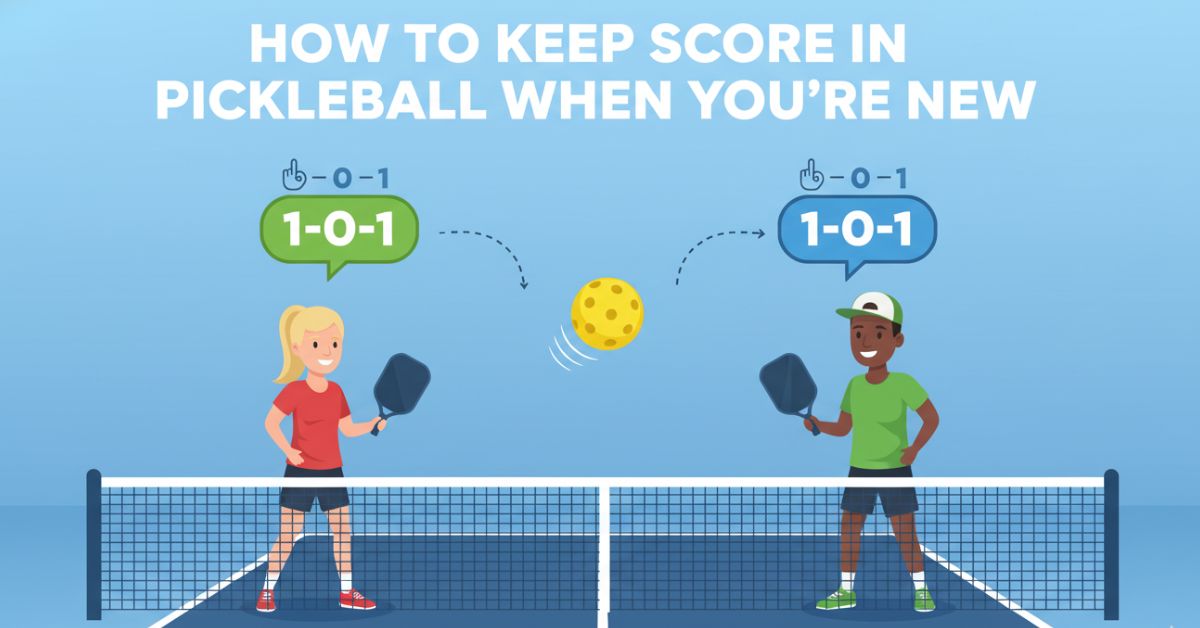
Only the serving team can score points. Games usually go up to 11 points and need a 2-point margin to win the game. Players switch their sides after every odd-numbered score to keep the play fair. You can prevent disputes and can make your game smooth by understanding the basics rules of pickleball
Pickleball Rules for Beginners

For beginners, it is important to comprehend the basic rules of pickleball. Serves must be underhand, hit diagonally, and taken from behind the baseline. After the serve, both teams must let the ball bounce once on each side before volleying, which is known as the double-bounce rule. Players are not allowed to volley inside the kitchen, a 7-foot area near the net. Common faults include hitting the ball out of bounds, volleying in the kitchen, allowing the ball to bounce twice, or touching the net. Following these basics rules keeps the game fair and safe for everyone.
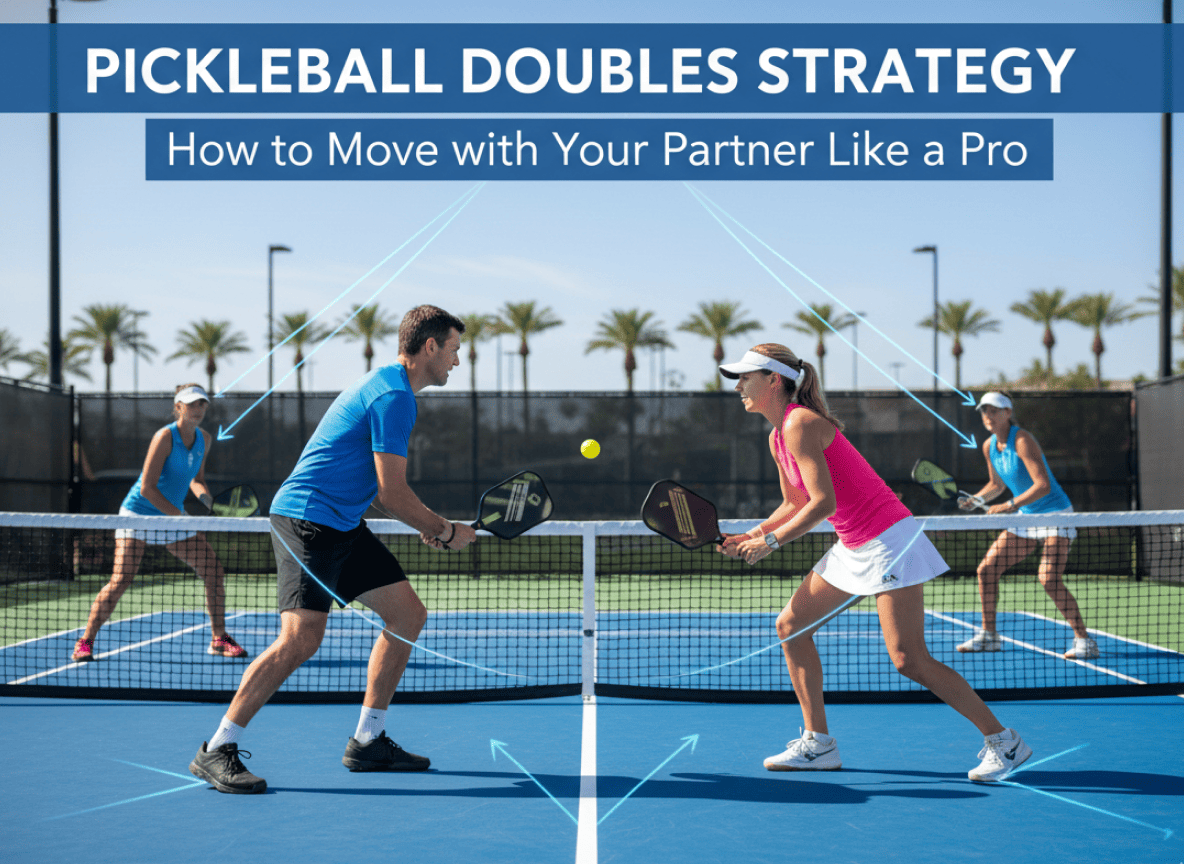
Focusing on control over power helps beginners play more consistent rallies. Practicing dinks and soft shots near the net builds precision. Learning positioning and teamwork in doubles is important for covering the court efficiently. Watching experienced players provides insight into strategy and shot selection.
It is also helpful to stay relaxed and enjoy the game rather than stressing about mistakes. For overall fitness and to prevent injuries, consider pickleball strength training, which improves stability, endurance, and movement on the court.
Common Beginner Mistakes and How to Avoid Them
Beginners often make a few common mistakes that can slow progress. Standing too close to the net can make it hard to return shots, while hitting too hard instead of focusing on placement often causes errors. Poor footwork can lead to missed shots, and forgetting the two-bounce rule can result in faults. In doubles, not communicating with your partner can create confusion and result in losing points.
These mistakes can be avoided by practicing slowly, concentrating on proper technique, and observing experienced players. Over time, attention to these details improves control and confidence on the court.
Pickleball Etiquette and Safety Tips
Respect and safety are key aspects of the game. Always warm up before playing to prevent injuries. Call lines honestly to maintain fairness. Avoid interrupting other games and respect players of all skill levels. Stay hydrated and protect yourself from sun exposure when playing outdoors. Following these etiquette tips keeps games friendly and safe.
Where to Play Pickleball?
Beginners can find pickleball courts at public parks, recreation centers, YMCAs, or local gyms. Pickleball clubs and community meetups are also good places to play and learn. Apps like Places2Play can help locate nearby courts and games.
For professional guidance, a pickleball instructor can provide tips on technique, correct mistakes, and help beginners develop proper form in early sessions.
How to Keep Improving?
To improve skills, attend beginner clinics or lessons. Watching online tutorials on how to play pickleball can reinforce techniques and strategies. Playing regularly with stronger players challenges you and helps build confidence. Tracking progress using skill ratings from 2.0 to 5.0 provides motivation and shows improvement over time. Consistent practice helps beginners play longer rallies and enjoy the game more fully.
Quick Start Checklist
Before your first game, make sure you have,
- Paddle
- Balls
- Access to a court or club
- Proper shoes
- Basic knowledge of rules
This checklist ensures you are prepared, safe, and ready to enjoy your first games.
Conclusion
Pickleball for beginners is easy to learn and provides fun, exercise, and social interaction. Start with the basics, follow the rules of pickleball, practice consistently, and enjoy your first games. Grab a paddle, find a court, and just play.
For those looking for extra guidance, ATX Pickle Academy offers coaching and beginner guidance programs to help you improve your skills and gain confidence on the court.