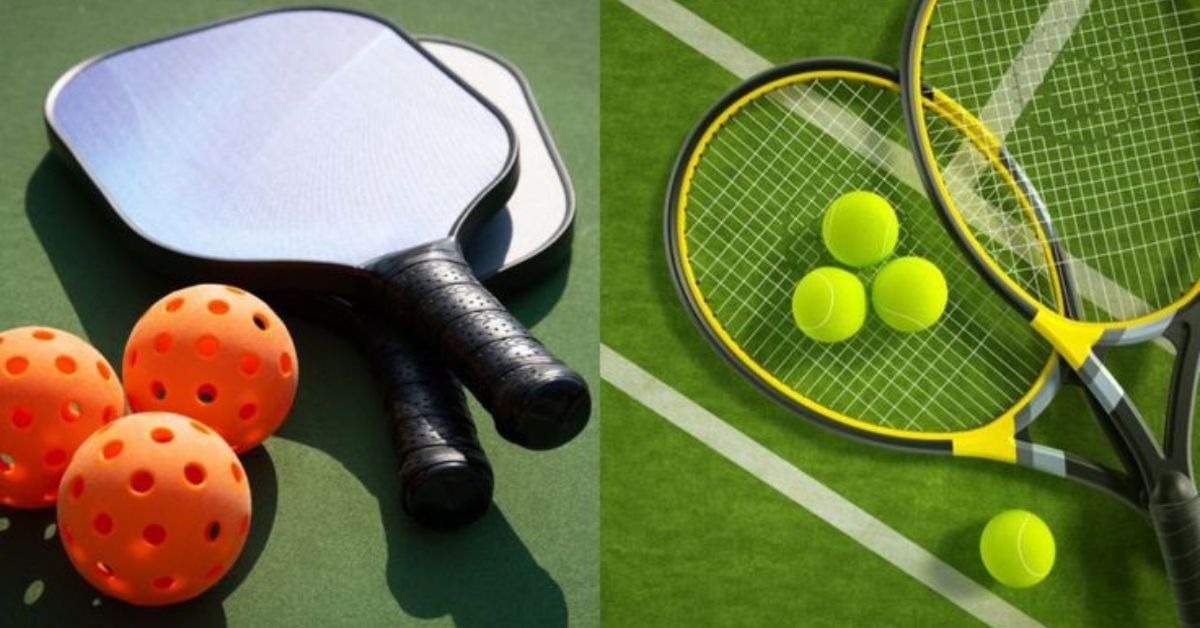
It’s no secret, pickleball and paddle are two of the fastest-growing sports around the world, drawing both new players and seasoned racket-sport enthusiasts. But here’s the twist: while they may seem similar at first glance, they’re far from identical. If you’ve ever asked, “Are padel and pickleball the same?” You’re definitely not alone.
At ATX Pickleball Academy, we frequently receive questions about the differences between padel and pickleball. Both offer fast-paced fun, social interaction, and great workouts, but their rules, courts, and gear set them apart in exciting ways. If you’re curious about whether padel vs pickleball is the better fit for your game, this guide will break it down clearly.
What is Padel? The Sport Everyone’s Talking About

Padel is a high-energy racket sport that blends elements of tennis and squash, usually played in a doubles format. It’s particularly popular in Europe and Latin America, and is played on an enclosed court where the walls are part of the game. If you enjoy long rallies, strategy, and teamwork, padel might be your new favorite sport.
- Played in doubles almost exclusively
- Uses a solid, perforated paddle (no strings)
- Courts are enclosed and smaller than tennis courts
- Players can play the ball off walls like squash
- Underhand serves only, and below waist height
Padel’s Simple Rules and How the Scoring Works
Although it borrows its scoring system from tennis, padel has its unique flow and style. Understanding its core rules helps highlight the difference between padel and pickleball even more.
Key Padel Rules:
- Doubles only: Singles play is rare
- Walls are in: The ball may rebound off glass walls
- Underhand serve: Serves must be below waist level
- Two bounces = out: Like tennis
- 15-30-40 scoring system: Same as traditional tennis
- Serve diagonally: And stay behind the service line
What is Pickleball? America’s Hottest New Sport

Pickleball is an American-born paddle sport that mixes elements of tennis, badminton, and ping-pong. It’s played on a smaller court with a perforated plastic ball and is loved for being beginner-friendly, social, and perfect for all ages. As pickleball and paddle tennis gain popularity, more players are exploring both sports for their unique rules and community-driven appeal.
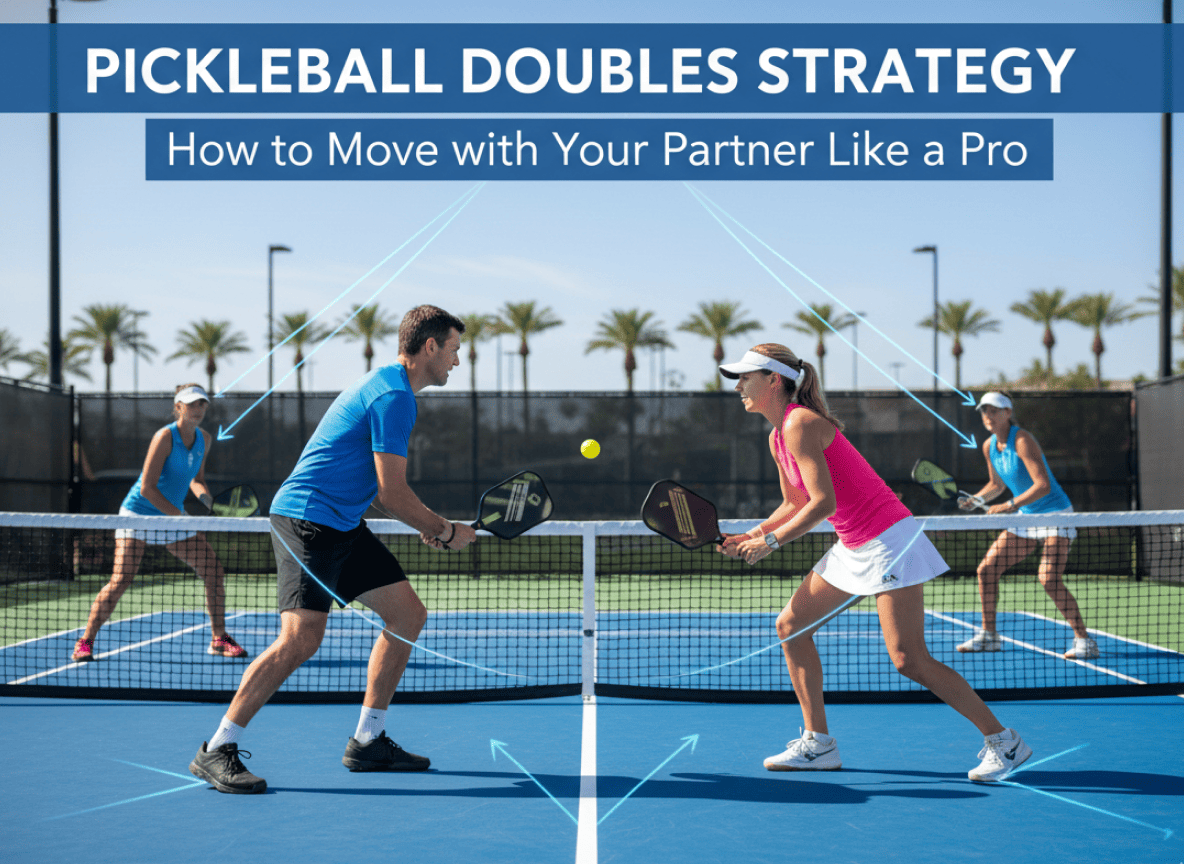
- Played in singles or doubles
- Uses a flat paddle made of wood or composite
- The court includes a non-volley “kitchen” zone
- Plastic ball with holes, low bounce
- Rally play is fast-paced and close to the net
Scoring a Win: Pickleball Rules You Need to Know
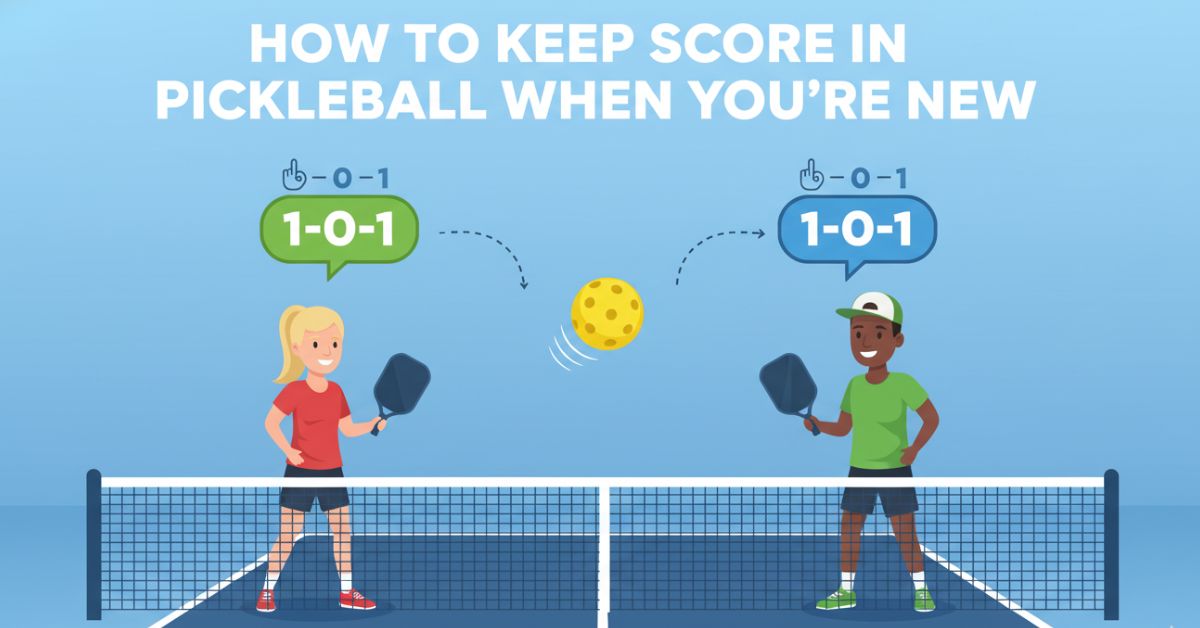
Pickleball rules are simple, and understanding them adds a layer of depth. For those who think, “Is pickleball the same as padel?” The scoring system alone sets it apart. Pickleball employs a unique scoring system in which only the serving team can score, making strategy a crucial component.
Key Pickleball Rules:
- Serve artful: The Paddle must be below the waist
- Two-bounce rule: Ball must bounce once per side before volleys
- Kitchen zone: No volleys allowed in this area
- Scoring only when serving: No points if you’re receiving
- Games to 11: Win by 2
- Lines matter: Serves must land diagonally in the service box
Battle of the Gear: Padel vs Pickleball Equipment
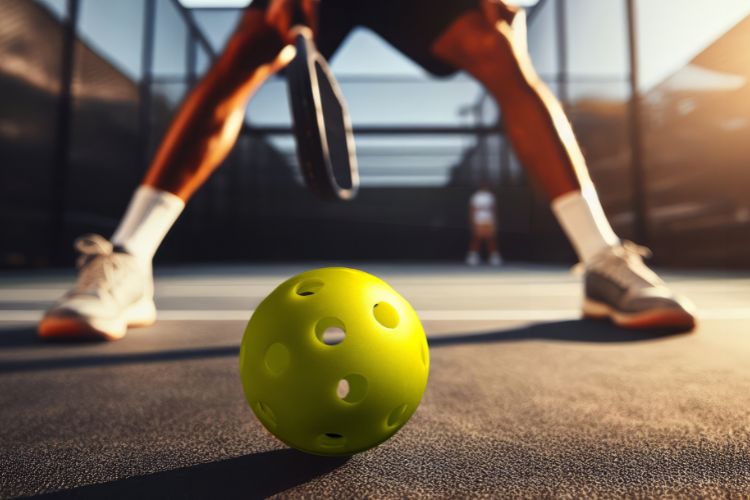
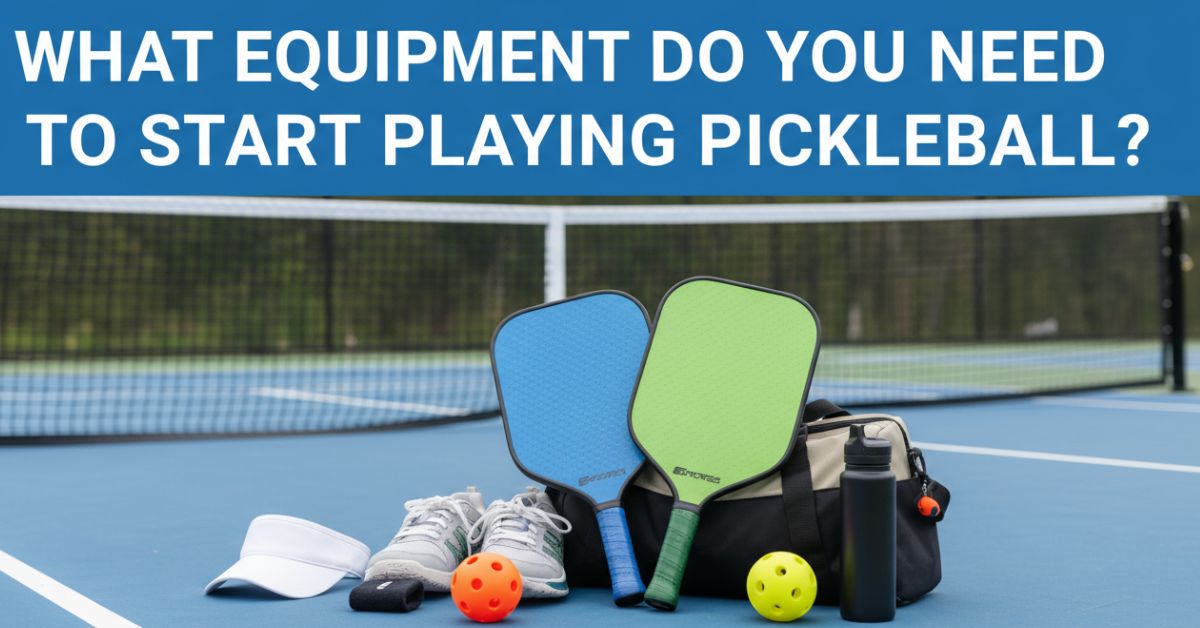
When comparing both sports, the first noticeable difference is in what you hold in your hand. Both use paddles, but that’s where the similarity ends. But each paddle is uniquely designed to suit the speed, spin, and style of its respective game.
The Padel Equipment Guide
Padel paddles are thicker, with holes but no strings, made of carbon fiber or foam composites. They’re designed to handle rebounds off walls while offering control and spin.
- Solid structure with perforations
- Heavier than pickleball paddles
- Shorter handle
- Made for enclosed play
- No string tension like tennis
The Pickleball Equipment Guide
Pickleball paddles are lightweight and made of layered materials, such as graphite or fiberglass. They’re optimized for quick volleys, spin, and drinking at the net.
- Flat-faced, no holes
- Lightweight for speed
- Larger surface area
- Designed for wiffle-style balls
- Easy to grip and swing for all levels
Pickleball and paddle are two distinct sports with unique gear. Pickleball uses a light, flat paddle for quick volleys, while paddle (padel) relies on a heavier, perforated paddle designed for spin and wall rebounds.
Court Comparison: Difference Between Padel and Pickleball Areas
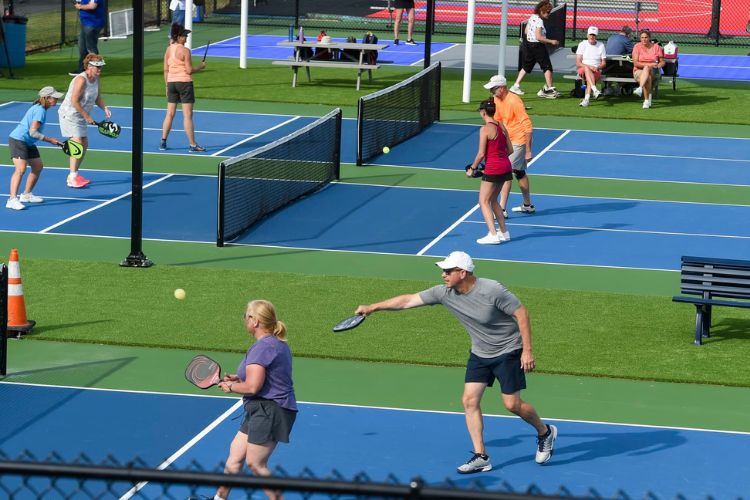
Court size and layout are one of the clearest indicators of whether pickleball is the same as padel or not. The gameplay experience feels completely different solely because of this, and creating distinct strategies and movement.
Padel
Padel is played on a 20×10-meter enclosed court, which features glass and metallic mesh walls that allow balls to rebound. The net divides the court information, and serving must be made diagonally. The wall integration makes for unpredictable, exciting play.
- Walls are playable surfaces.
- Slightly smaller than tennis
- Net height similar to tennis
- No kitchen zone
- Perfect for long rallies
Pickleball
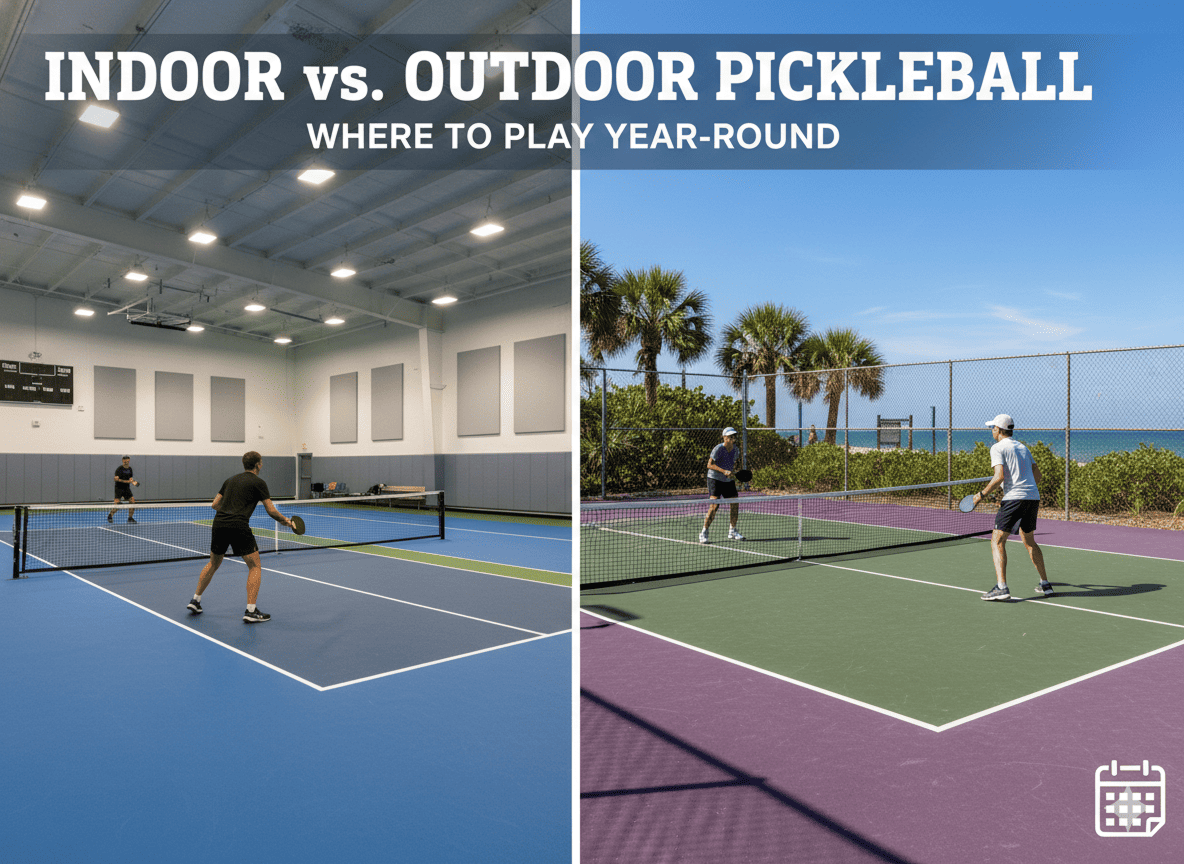
Pickleball courts are 13.4×6.1 meters and feature a unique “kitchen” zone near the net where volleys are restricted. With no playable walls and compact size, the game focuses more on precision, control, and reaction speed. This makes pickleball personal training especially valuable for developing quick reflexes and mastering shot placement in tight spaces.
- No walls or rebound play
- The net is lower than in tennis
- Includes a non-volley kitchen zone
- Serves are underhand only
- Allows both singles and doubles play
Final Words
So, which is it: padel or pickleball? While both sports are paddle-based and wildly fun, the difference between padel and pickleball lies in their pace, court design, gear, and style. If you’re after a more enclosed, strategic doubles game, padel is an excellent choice. But if you prefer accessible rules, fast rallies, and all-level fun, pickleball is unbeatable.
If you’re ready to serve, swing, and master the court, ATX Pickleball Academy is your ultimate destination.
Faq’s
-
Are padel and pickleball the same sport?
No, they’re very different. While both are paddle sports, padel is played in a walled court with rebounds, and pickleball is played on an open court with a “kitchen” zone. The style and feel of play are unique.
-
What is the most significant difference between padel and pickleball?
The most significant difference between padel and pickleball is wall play. Padel allows the ball to bounce off glass walls, while pickleball has no walls and emphasizes volley control in a small court space.
-
Which one is easy to learn, padel or pickleball?
Pickleball is more manageable for most beginners. The court is smaller, the rules are more straightforward, and the ball moves more slowly, making it ideal for all ages and skill levels, especially those new to paddle sports.