Pickleball looks simple and friendly. It is slower than tennis and uses a lighter paddle. Still, many beginners face a pickleball injury in their first few months. The reason is quick side movements, sudden stops, and repeated arm motions. These movements stress joints, muscles, and tendons. If your body is not ready, you can get hurt even in a short game. Understanding common pickleball injuries will help you stay safe and enjoy the game longer.
Most Common Pickleball Injuries Beginners Should Know About
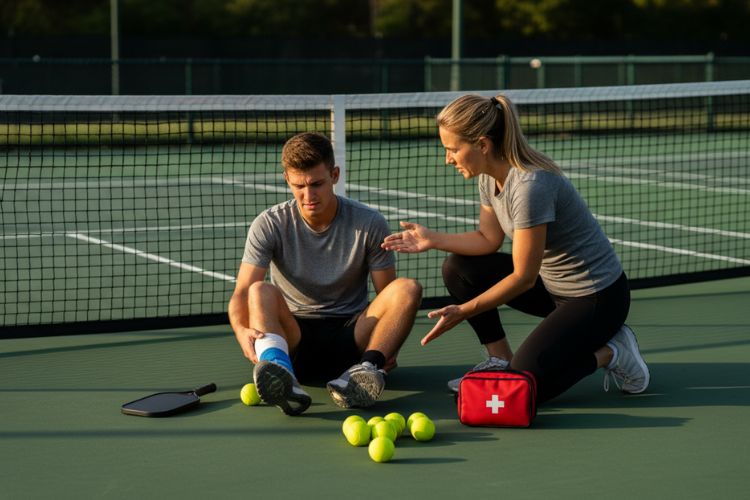
Beginners often deal with similar types of pain and strains when starting out in pickleball. These mostly affect the ankles, elbows, shoulders, knees, wrists, and lower back. Knowing what each injury looks like and why it happens makes it easier to avoid. Below are the most common pickleball injuries and how they happen.
1. Ankle Sprains from Quick Movements
This is one of the most common pickleball injuries. It happens when your foot lands wrong while moving sideways or backward. The ankle twists and causes swelling or sharp pain.
2. Pickleball Elbow from Repeated Swinging
This pickleball injury affects the tendons near your elbow. It comes from swinging the paddle again and again with a tight grip. The pain starts slowly and increases if ignored.
3. Shoulder Strain from Overreaching
Reaching to hit a high or wide shot can pull the muscles in your shoulder. If your arm is not strong or flexible enough, this can turn into a long-term pickleball injury.
4. Knee Injuries from Sudden Stops or Turns
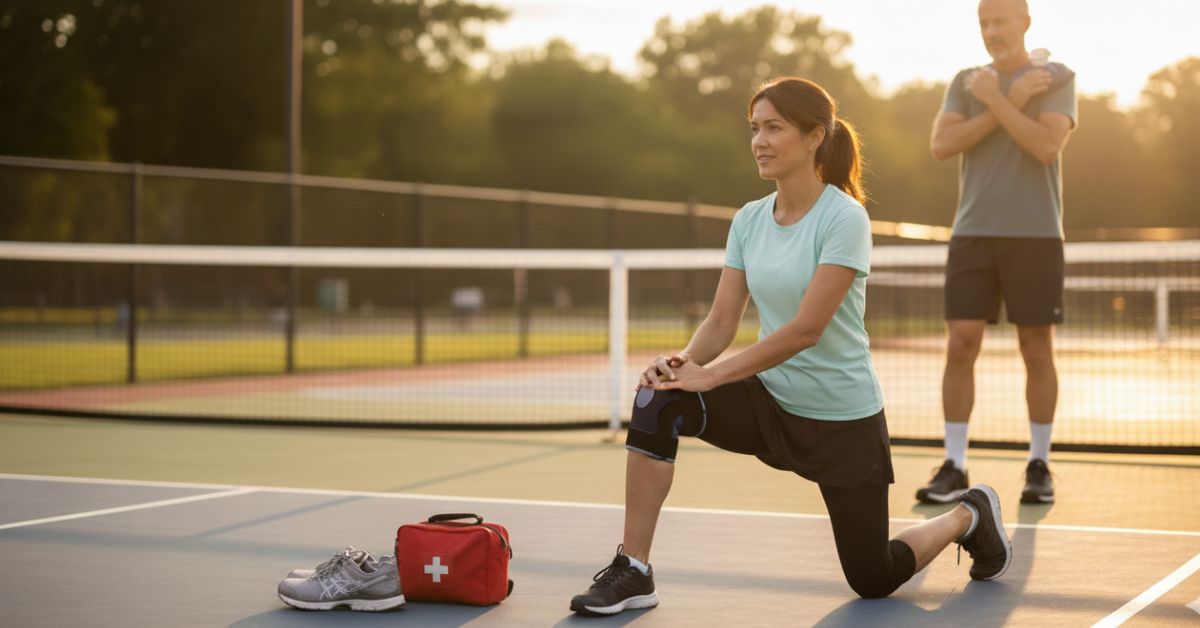
Knees take a lot of pressure when you stop fast or change direction. This can cause swelling or joint pain. Some players even face severe pickleball knee injuries if they play on hard courts with weak leg muscles.
5. Wrist and Finger Injuries from Poor Grip or Impact
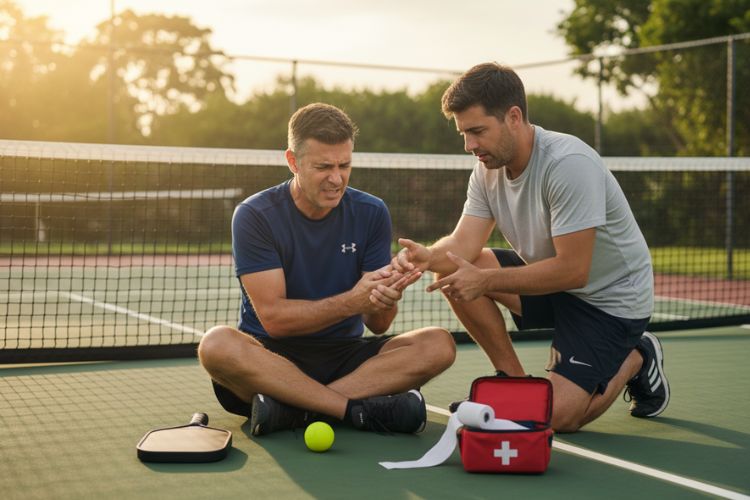
A tight grip or a strong ball hit to the hand can injure fingers or wrist joints. These are common pickleball injuries, especially for players who hold the paddle too hard.
6. Lower Back Pain from Poor Bending Form
Many new players bend from the waist instead of using their legs. This puts stress on the lower back and causes pain or stiffness after a match.
Why do These Injuries Happen? Understanding the Root Causes
Most pickleball injuries do not happen by accident. They usually come from a few simple mistakes like skipping warm-ups, using poor form, wearing the wrong shoes, or pushing the body too hard. Pickleball injury statistics show that these habits contribute to a high number of injuries each year. When these habits repeat over time, they lead to pain and injuries that could have been avoided. Below are the main reasons why beginners face the most common pickleball injuries.
-
No Warm Up or Stretching
Cold muscles are tight and weak. Not warming up is one of the main causes of common pickleball injuries for beginners.
-
Wrong Shoes or Unsafe Courts
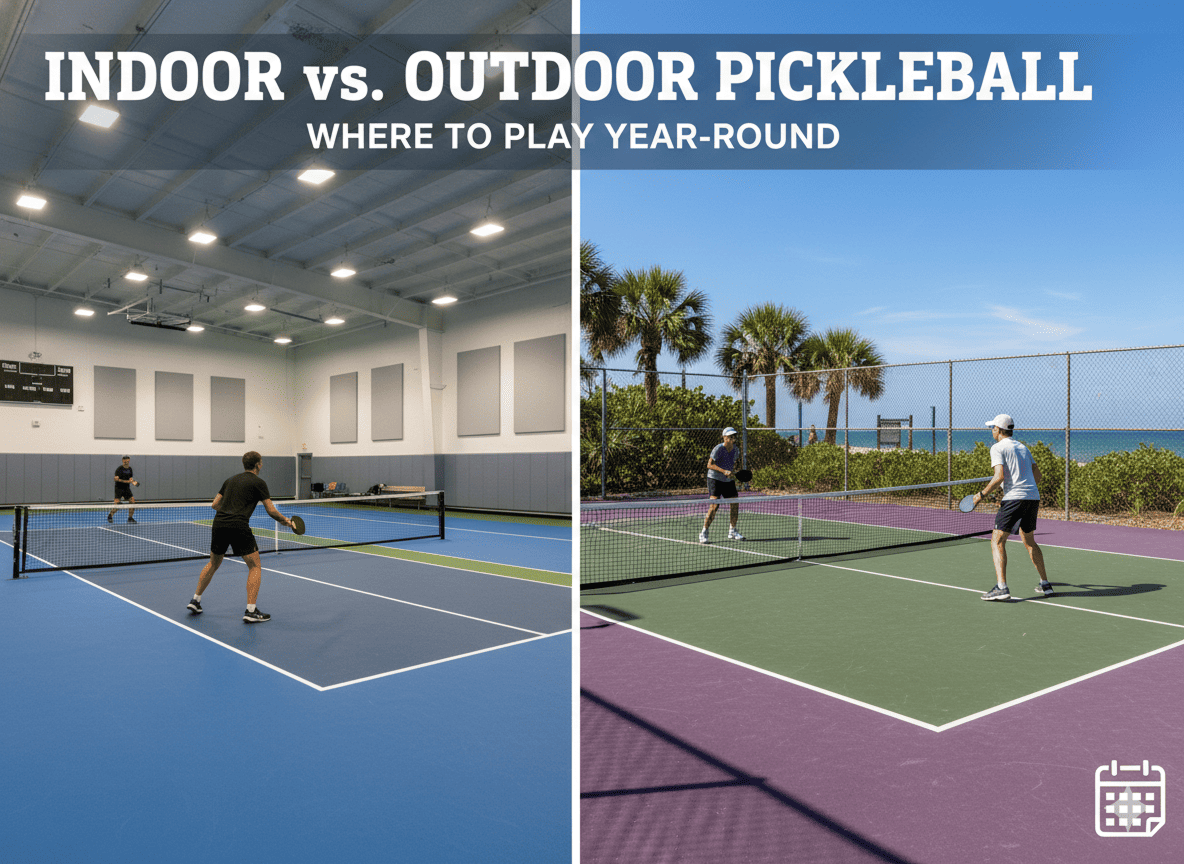
Running shoes are made for forward movement only. They lack side support and increase the risk of pickleball injuries, especially on hard or uneven courts.
-
Poor Technique and Body Position
Using only your arm to swing or standing flat-footed puts pressure on joints. Over time, this leads to the most common pickleball injuries.
-
Ignoring Pain or Playing Too Much
Many players keep playing through mild pain. What starts small can become a serious pickleball injury if not treated early.
Simple Warm-Up Routine to Prepare Your Body
Do this for 5 to 7 minutes before every game.
- Light jogging or jumping jacks to increase blood flow.
- Ankle, wrist, and shoulder rolls to prepare joints.
- Arm swings and hip rotations for flexibility.
- Gentle lunges and leg stretches for better movement.
Must Have Gear to Prevent Injuries from the Start
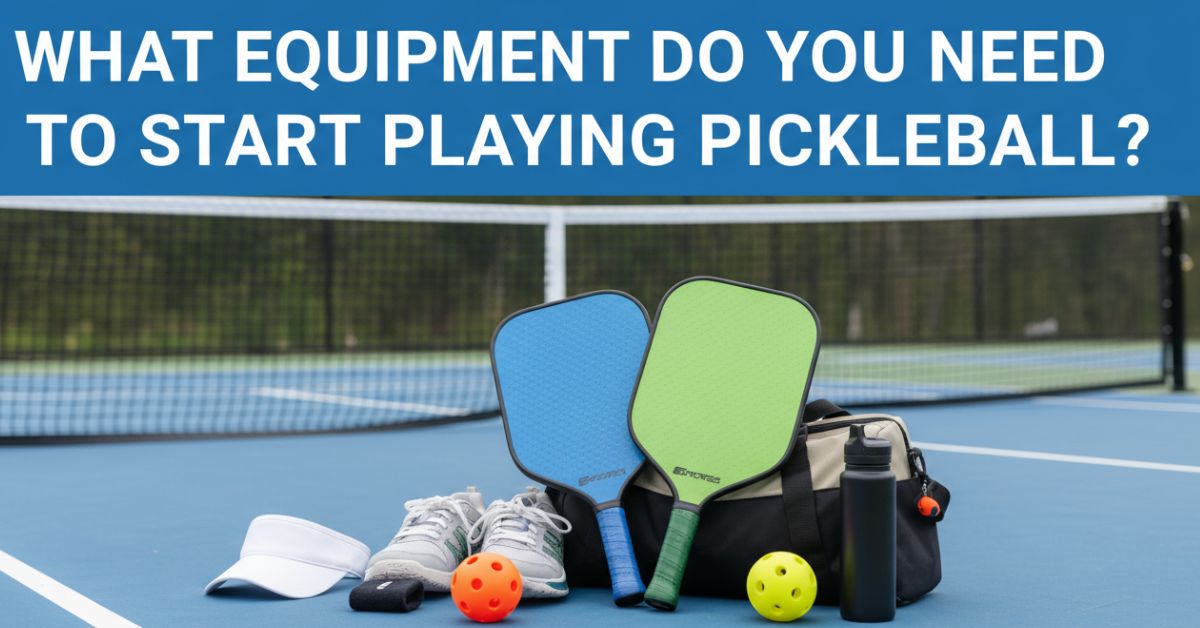
Supportive court shoes help protect your ankles and knees. They are designed for side movements and quick stops, unlike running shoes. Wearing the right shoes reduces the chances of ankle twists and knee strain.
Choosing a paddle that suits your hand size and strength is also important. A paddle that is too heavy or has the wrong grip size can cause wrist or elbow pain. A light, well-balanced paddle with the right grip size helps prevent common pickleball injuries.
Protective accessories like wristbands, knee braces, and compression sleeves provide extra support and comfort, especially during long matches.
Safe Playing Techniques Every Beginner Should Learn
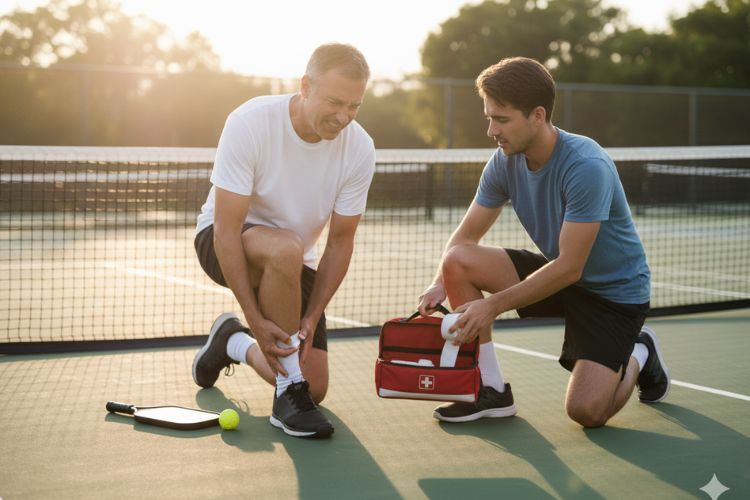
- Stand with slightly bent knees and stay on the balls of your feet. This helps you move quickly without losing balance.
- Hold the paddle with a relaxed grip instead of squeezing tightly. A soft grip prevents wrist and elbow stress.
- When hitting overhead shots, use your legs and core instead of pulling only with your arm. Avoid leaning too far backward.
- Practice controlled steps and proper footwork. Avoid sudden lunges and twisting movements, which are common causes of knee injuries.
Post Game Recovery to Prevent Pain
After every match, take time to cool down and recover
- Stretch legs, shoulders, and lower back
- Apply ice to areas with swelling
- Use heat for tight or stiff muscles
- Drink water and rest for a few hours
When to Stop and Seek Medical Help?
If pain lasts more than a few days or affects walking, sleeping, or daily movement, stop playing. A doctor or physiotherapist can help treat the injury before it becomes serious.
Smart Habits to Stay Injury Free Long Term
-
Build Strength and Flexibility
Simple exercises like squats, planks, shoulder rotations, and core workouts should be part of your regular pickleball workout routine. These movements protect joints and muscles and help prevent common pickleball injuries.
-
Take Rest Days
Your body needs recovery time after games or intense practice. Skipping rest can lead to long-term knee injuries or muscle strain, even if you follow a good workout plan.
-
Listen to Your Body
Sharp or sudden pain is a warning sign. Stop playing and rest instead of pushing through. This one habit can save you from turning a minor ache into a serious injury.
Conclusion
Pickleball is enjoyable at any age, but safety should always come first. Understanding the most common pickleball injuries and how to prevent pickleball injuries with warm-up, proper shoes, controlled movement, and rest can make a big difference. If you want professional training and injury-free progress, programs like ATX Pickle Academy offer structured and safe learning for all beginners. Playing smart today means more games, fewer injuries, and more fun on the court.
FAQs
What is the most common pickleball injury?
Ankle sprains and pickleball elbow are the most common pickleball injuries. They come from quick side movements and repeated paddle swings.
Can beginners avoid injuries completely?
Not always, but most injuries can be avoided with warm-up, proper shoes, good paddle grip, and rest when the body feels tired.
When should I stop playing and see a doctor?
If the pain lasts more than a few days, affects daily movement, or feels sharp or burning, stop playing and get medical help.