Ever wondered how much does it cost to build a pickleball court for your home or community space? Many people ask this because the sport has grown fast, and having your own court feels convenient. The cost to build a pickleball court depends on size, surface, labor, prep work, and add-ons. This guide walks you through everything in a simple, honest way so you can figure out what fits your budget.
How Much Does It Cost to Build a Pickleball Court?
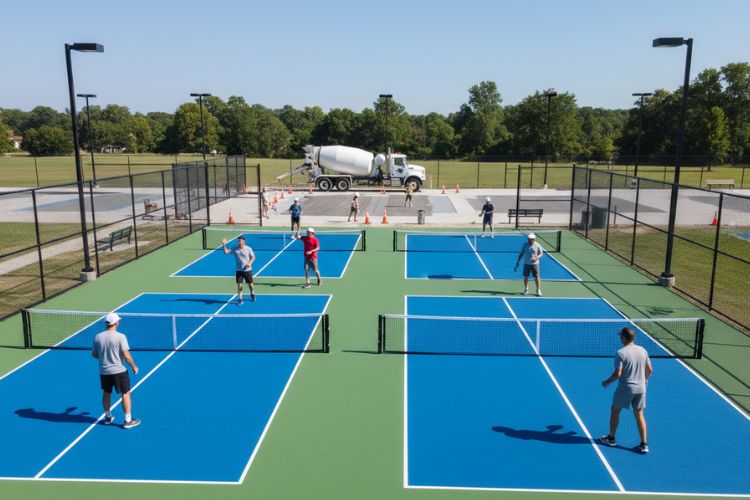
When people ask how much does it cost to build a pickleball court, they usually want one clear number. The truth is, the price shifts based on ground conditions, material quality, and installation. Most single courts fall into a predictable range, which gives you a good starting point.
The average cost of a pickleball court usually fits somewhere between basic asphalt and high-quality concrete. A simple build feels affordable at first, but the total rises once you add fencing, lighting, and surface coatings. Since pickleball court cost also depends on where you live, labor and material pricing can vary a lot.
What Really Affects the Total Cost? (Location, Prep, and Materials)
Many factors influence the pickleball court installation cost. The first is your location. Some areas need digging, leveling, or drainage work before anything else starts.
Next comes the foundation beneath the final surface. Soft soil needs a stronger base, and that adds to the cost. Your climate matters too. Hot places can crack asphalt faster, while rainy areas may need better water control.
Material choice also changes things. Concrete lasts longer but costs more. Acrylic coatings make the surface smoother and safer, but are optional. Even fencing costs differ depending on height and thickness. These choices all affect the final pickleball court cost, so it helps to know your priorities early.
Court Size, Layout, and What You Need to Plan Before Building?
A pickleball court has a fixed size, but the space around it matters just as much. You need room for movement, fencing, walkways, and sometimes seating. If you skip planning for extra space, the court can feel tight or unsafe.
A standard court is 20 by 44 feet, but most people need at least 30 by 60 feet to fit the whole setup. If you want two courts next to each other, you need even more space.
The average cost of a pickleball court increases as the layout becomes more detailed. Bigger areas mean more surfacing, more fencing, and longer labor hours. Good planning keeps surprises away and helps you stay within your budget.
Surface Choices and Their Cost Differences
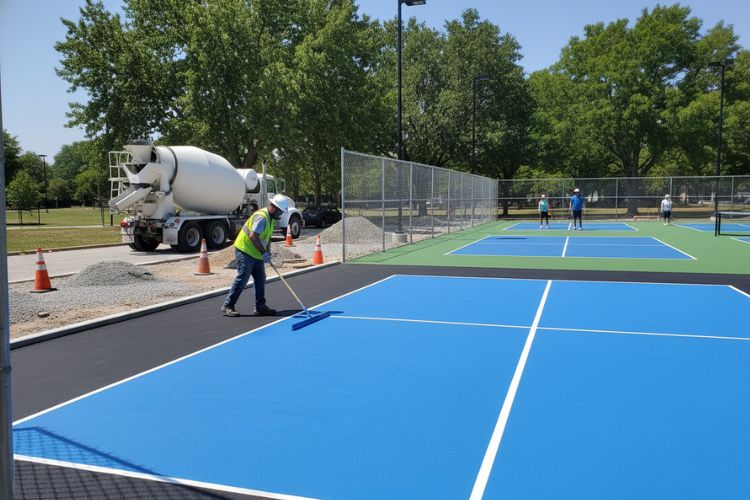
The surface is one of the main cost factors. Asphalt and concrete are the most common choices for residential courts. Asphalt is cheaper, but concrete lasts longer and holds coatings better.
You can also add cushioned acrylic layers for better comfort. This will raise the pickleball court installation cost, but many players find it easier on their knees.
Some people choose modular tile systems that sit on top of the base. These cost more but drain well and can be replaced piece by piece. Each surface type changes the final pickleball court cost, so choose what matches your long-term goals.
Full Construction Cost Breakdown
Here is where the money usually goes: site prep, excavation, base layers, surfacing, coatings, fencing, lighting, and equipment. Each part plays a role in the final number.
For example:
- Site prep, such as clearing, leveling, or drainage work
- Base layers such as gravel and compaction
- Surface layer, such as asphalt or concrete
- Acrylic coatings and color
- Fencing for safety and boundary control
- Net system, including posts and net
This is also where some people add community features, like hosting a pickleball clinic for players. Items like windscreens, benches, or shaded seating areas increase the cost to build a pickleball court but can make the space more enjoyable. The total depends on how simple or detailed you want the court to be.
Indoor vs Outdoor Court Costs and What Changes the Price?
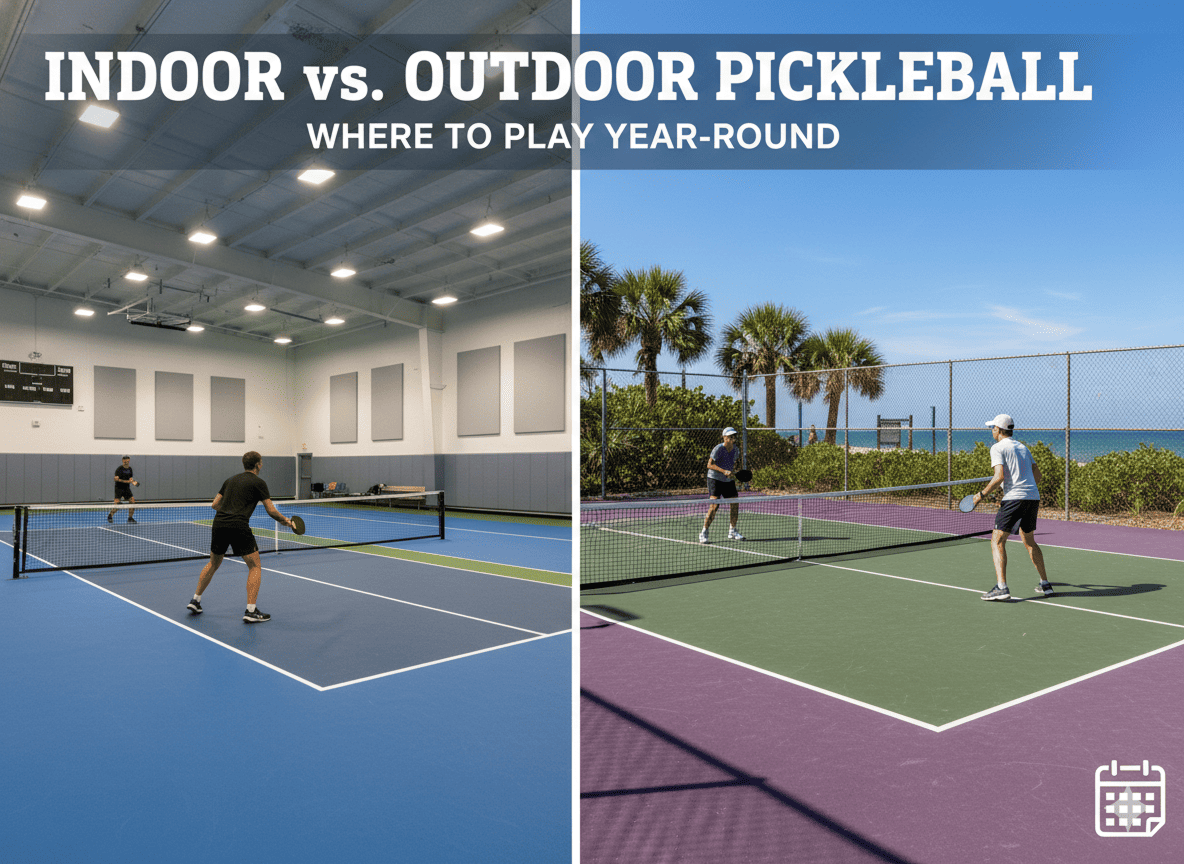
Indoor courts usually cost more because the structure needs roofing, indoor flooring, and lighting that work in an enclosed space. You are creating a full sports area, not just a single surface.
Outdoor courts cost less but need materials that can handle sun, wind, and rain. These conditions slowly wear down coatings and fencing. That means you should expect some maintenance every few years.
The average cost of a pickleball court is usually lower outdoors, but long-term upkeep might change the overall cost if your area has harsh weather.
Maintenance Costs After Building and What to Expect?
A pickleball court needs care over time. Regular cleaning, resurfacing every few years, and small repairs help the court last longer. Concrete surfaces last longer but still need attention.
Fencing can loosen, nets can sag, and coatings can fade. Fixing these issues early prevents larger repairs later.
When you calculate how much does it cost to build a pickleball court, it is smart to include maintenance in your plan from the beginning.
How Long It Takes to Build a Court and What Affects the Timeline?
Most courts take a few weeks to build. The exact timeline depends on weather, materials, and contractor schedules. The process usually includes planning, permits, site prep, base installation, surfacing, and coating.
Concrete surfaces need time to cure before anyone plays. Rushing this step leads to cracks later. A good builder will guide you through each phase so nothing is done too fast or too slow.
Is Building a Pickleball Court Worth It and Who Should Consider It?
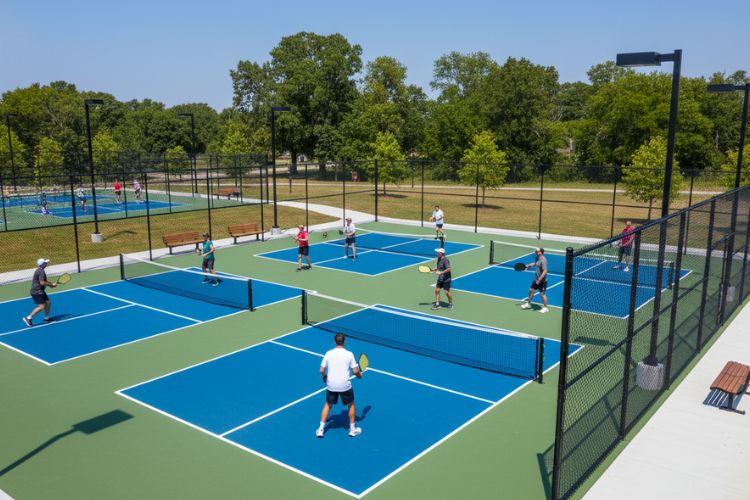
Many people wonder if the investment makes sense. For homeowners, it adds convenience and often increases property appeal. For communities or clubs, it creates a shared space that brings people together.
Some owners rent their courts for lessons or small tournaments. If you offer these activities, using quality equipment such as outdoor pickleballs can improve the playing experience.
In many cases, the pickleball court cost is worth it if you plan to use the court regularly or share it with others. The sport continues to grow, so having your own space can be useful for many years.
Smart Ways to Lower the Cost Without Losing Quality
There are simple ways to reduce your cost without affecting the final result. You can choose asphalt instead of concrete, skip optional add-ons, or choose basic fencing.
You can also save by converting an existing surface. For example, an old tennis or basketball court can be resurfaced for pickleball at a much lower cost. This keeps your cost to build a pickleball court reasonable while still giving you a dependable playing area.
Doing small tasks yourself, such as clearing the area, may also help. Just confirm details with your contractor so everything stays aligned with their plan.
Conclusion
So how much does it cost to build a pickleball court? The answer depends on your layout, material choices, prep work, and location. The cost to build a pickleball court may feel high at first, but a good court lasts for years and can bring value to your home or community. With a clear plan and smart budgeting, you can build a space that fits your needs and stays within your budget.
Are you looking for a place that helps you train smarter, play better, and enjoy pickleball even more? ATX Pickleball Academy offers expert coaching, structured lessons, and a welcoming environment built for players of all levels.